

Introduction
Swimming pool repair in Dubai requires a deep understanding of the local climate and unique pool challenges. Whether you’re dealing with cracks, leaks, or equipment failures, timely maintenance is crucial for preserving your oasis. In this guide, Hello Landscaping and Pool LLC offers expert tips and tricks to help you maintain a pristine pool, save on repairs, and extend the life of your equipment. Let’s dive into practical advice that every pool owner in Dubai should know!
Identifying the Signs of Swimming Pool Damage Early
Surface Cracks and Pool Wall Erosion
Spotting Hairline Cracks vs. Major Structural Issues
Hairline cracks may seem harmless but over time they can lead to pool surface deterioration and potential leaks. In contrast, deep structural cracks could indicate serious damage requiring immediate swimming pool repair solutions. Regular inspection by professionals like Hello Landscaping and Pool LLC ensures issues are caught early.
How to Differentiate Between Surface and Structural Cracks
Surface cracks often form due to temperature changes and are typically cosmetic. Structural cracks usually extend through the concrete and may affect water retention. Look for water seepage, discoloration, or uneven pool levels.
Importance of Timely Crack Sealing
Failing to seal cracks promptly can result in costly pool water maintenance challenges and structural damage. Using professional-grade vinyl sealants, epoxy, or pool plaster repair kits can mitigate the risk.

Leaks and Water Loss Detection
How to Detect Pool Leaks with a Simple Bucket Test
This simple method helps determine if the water loss is due to evaporation or a leak. Place a bucket filled with water on a pool step and mark the levels. After 24 hours, compare the drop in both levels. If the pool level drops more, you likely have a leak.
When to Call Leak Detection Experts
If you observe over 1 inch of water loss daily or notice wet spots around the pool, contact Hello Landscaping and Pool LLC in Dubai for advanced swimming pool leak repair services.
The Role of Leak Detection Kits
Leak detection kits use dye to locate leaks in the pool shell or plumbing. These kits are ideal for vinyl pools and small tears. Combine this with pressure testing for precise diagnostics.
Tools and Techniques in Leak Detection
- Ultrasonic listening devices
- Pressure testing of lines
- Thermal imaging for hidden leaks

Pool Equipment Failures
Warning Signs from Pumps, Filters and Heaters
Strange noises, water not circulating, or dirty water despite regular filtration are signs your swimming pool pump maintenance is due. Burnt smells or high energy bills could point to a malfunctioning heater.
Most Common Equipment Issues in Dubai’s Climate
- Sand filters clogging due to debris
- PVC pipe damage from heat exposure
- Corrosion in saltwater systems
The Importance of Preventive Equipment Maintenance
Routine checks and cleaning can significantly extend the life of your swimming pool equipment. Hello Landscaping and Pool LLC recommends monthly checks of pressure gauges, seals, and filter backwashing.
Checklist for Preventive Maintenance
- Lubricate pump seals every 6 months
- Replace filter media annually
- Flush out heaters before and after winter season

Common Swimming Pool Problems Faced in UAE Climate
Pool Water Discoloration
Green, Cloudy, or Brown – What the Color Tells You
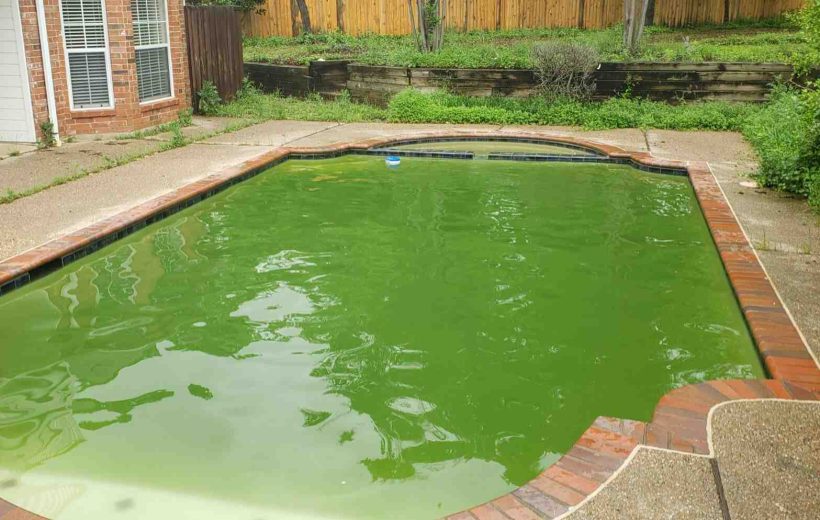
Discoloration is a clear indicator of poor pool water quality. Green water often signals algae growth, while brown or rusty hues may indicate high iron or copper content. Cloudiness can result from filtration issues or imbalanced chemicals. Learn more Why Your Pool Water Turns Green and How to Fix It.
Steps to Rectify Water Discoloration
- Shock the pool with chlorine
- Use a metal sequestrant
- Backwash and clean filters
- Test and balance water pH and alkalinity
Algae Growth and Its Impact
Types of Algae and How to Remove Them
Black algae, green algae, and mustard algae are common in UAE’s warm climate. While green algae float and spread fast, black algae cling to surfaces and are tough to eliminate. Treat with algaecide, brushing, and shock treatment.
How Algae Affects Pool Surfaces and Water
Algae not only make pools unsightly but also damage pool plaster, increase filtration workload, and reduce chlorine effectiveness. Regular brushing and weekly water testing are essential.

Filter and Pump Issues
Causes of Clogged Filters
Clogged filters occur due to high debris loads, insufficient backwashing, or deteriorated filter media. This reduces water circulation, causing cloudy water and potential water damage to pool structures.
Solutions for Maintaining Filter Efficiency
- Backwash sand filters weekly
- Rinse cartridge filters monthly
- Replace filter media annually
Swimming Pool Pump Maintenance Checklist
Regular pool pump maintenance ensures optimal water flow and chemical distribution. Follow this checklist for efficient operation:
Monthly Pump Maintenance Tasks
- Clean out pump basket
- Inspect for leaks around the seal
- Check motor temperature and noise
- Ensure tight fittings and no air leaks
Annual Service Recommendations
Hire professional pool contractors in Dubai like Hello Landscaping and Pool LLC for annual servicing that includes full motor inspection, capacitor check, and impeller cleaning to avoid expensive failures later.
Project Gallery

The Ultimate Guide to Pool Repair Techniques
DIY Swimming Pool Crack Repairs
Using Waterproof Sealants for Concrete Pools
Waterproof sealants are ideal for sealing minor cracks in concrete pools. These flexible, waterproof compounds prevent water leakage and surface degradation. Always clean the crack thoroughly and apply the sealant using a caulking gun for best results.
Step-by-Step Pool Plaster Repair Process
Start by draining the pool to expose the damaged area. Chip away loose plaster, apply bonding agent, and use a plaster mix to fill the crack. Smooth it evenly and allow it to cure before refilling the pool. This helps maintain a uniform pool surface and prevents further damage.
Vinyl Liner Repair for Leaks and Tears
Patch Kits vs. Replacement – Which to Choose?
For small tears and holes, vinyl patch kits work well and are affordable. However, if the liner is aged, faded, or has multiple leaks, a full replacement might be more cost-effective and long-lasting. Assess the liner’s overall condition before deciding.
Tile Repair and Regrouting
Fixing Damaged or Missing Tiles Safely
Use a chisel to remove damaged tiles and clear old grout. Apply waterproof tile adhesive and set the new tiles. Once cured, regrout the area and seal it to prevent future water seepage. Always wear gloves and eye protection during the repair process.

How to Extend the Life of Swimming Pool Equipment – Maintenance Tips & Tricks
Cleaning and Inspecting Filters
When and How to Backwash Pool Filters
Backwashing removes trapped debris from sand or DE filters. Turn off the pump, set the valve to “Backwash,” and run until water is clear. Do this weekly or when pressure rises above normal levels. It ensures optimal filtration and longer filter life.
Maintaining Pool Heaters and Timers
Tips for Electrical Component Care
Inspect wiring for corrosion, clean terminals, and check the timer settings monthly. Turn off power before servicing. For heaters, remove debris, descale the heat exchanger, and ensure thermostat accuracy. Proper care avoids short circuits and performance issues.
Preserving Your Swimming Pool Pump
Lubrication, Noise Reduction & Leak Prevention
Lubricate the pump’s O-rings regularly to avoid wear. Unusual noise could indicate a clogged impeller or air leak. Tighten fittings and replace worn gaskets to prevent leaks. Schedule yearly checkups to extend the motor’s lifespan.

Pool Maintenance Tips Every Pool Owner in Dubai Should Know
Basic Pool Upkeep Checklist
Daily, Weekly & Monthly Tasks
- Daily: Skim debris and check water level.
- Weekly: Brush walls, vacuum pool, test water.
- Monthly: Inspect equipment, backwash filters, and deep clean skimmer baskets. Sticking to this routine maintains water clarity and hygiene.
Water Chemistry 101
Balancing pH, Chlorine & Calcium Levels
Maintain pH between 7.2–7.6, chlorine at 1–3 ppm, and calcium hardness between 200–400 ppm. Imbalance leads to corrosion, scale buildup, or algae. Use a reliable test kit and adjust with pool chemicals as needed.
Seasonal Pool Care in UAE Weather
Adjusting Maintenance During Extreme Heat
In UAE summers, water evaporates faster and chemical levels fluctuate more often. Test water twice a week, use a pool cover to reduce evaporation, and run the filtration system longer. Prevent algae by using algaecides and stabilizers.

Swimming Pool Leak Repair – Local Tips for Dubai Homeowners
Detecting Hidden Leaks in Pool Plumbing
Use of Pressure Testing and Pipe Cameras
Pressure testing helps identify drops in pressure indicating leaks in plumbing lines. For precise detection, pool professionals use underwater microphones and cameras to inspect pipes. This non-invasive method saves time and reduces unnecessary digging.
Benefits of Expert Diagnosis vs. DIY Guesswork
DIY methods can misdiagnose or overlook hidden issues. A professional from Hello Landscaping and Pool LLC uses specialized tools to pinpoint leaks accurately, minimizing costs and repair time. It’s the safest route when basic tests fail to resolve the problem.

Pool Repair & Maintenance Tips – What NOT to Do
Mistakes That Cause Further Damage
Skipping Regular Inspections
Many pool owners in Dubai make the mistake of overlooking routine pool inspections. Small issues like minor leaks, surface cracks, or early equipment failures can turn into expensive repairs if not caught early. Schedule a professional inspection at least once every season.
Overusing Chemicals
Excessive use of chlorine or other sanitizers can damage your pool’s surface, discolor tiles, and corrode equipment. Always follow dosage instructions and test water chemistry before adding chemicals.
Repairing Without Safety Gear
Risks of Handling Pool Equipment Improperly
Attempting repairs without gloves, goggles, or electrical safety precautions can result in injuries. Pool pumps, filters, and heaters often require disconnection from electrical sources. If unsure, it’s best to call certified experts like Hello Landscaping and Pool LLC.
Hiring a Professional for Swimming Pool Repair in Dubai
What Makes Hello Landscaping and Pool LLC the Right Choice?
Licensed Team, Local Experience, Proven Work
With years of experience in swimming pool repair and maintenance in Dubai, our licensed team is equipped with modern tools, local climate knowledge, and a reputation for delivering quality work. We offer transparent pricing, fast service, and long-term solutions.
Questions to Ask Before Hiring
Quotes, Warranties, Timelines
Before hiring a pool contractor, ask about written estimates, warranty coverage, and expected timelines. At Hello Landscaping and Pool LLC, we provide detailed quotations and workmanship warranties to ensure peace of mind.
Cost Factors in Pool Repair Projects
Materials, Labour, Pool Type, and Damage Severity
The cost of swimming pool repair varies depending on whether it’s a vinyl, concrete, or fiberglass pool, and the extent of the damage. Materials and labour rates in Dubai also play a role. For a free quote, contact our team today.
Monthly Pool Health Checkups
Visual Checks and Water Testing
Monthly checks involve inspecting for cracks, cloudy water, or odd noises from equipment. Combine this with chemical testing to keep pH, chlorine, and calcium levels balanced. Regular care prevents major damage and keeps your pool inviting all year round.
Benefits of Scheduled Professional Maintenance
Saving Time, Money, and Water
Hiring professional pool maintenance services in Dubai saves you time and money in the long run. Early detection of problems prevents water waste and avoids emergency repairs. Our clients enjoy peace of mind with flexible maintenance packages.
Customized Maintenance Packages in Dubai
Residential vs. Commercial Pools
We offer tailored plans for both homes and businesses. Commercial pools require more frequent cleanings and chemical adjustments due to higher usage. Residential plans focus on weekly upkeep, equipment checks, and seasonal servicing.
Get a Free Consultation Today
Let Hello Landscaping and Pool LLC handle all your pool repair and maintenance needs in Dubai. We offer honest pricing, expert guidance, and reliable services. Contact us now for a no-obligation consultation.
For a Free Consultation, Contact us Today
Comprehensive Swimming Pool Services We Offer
Design, Construction, Repair, and Maintenance
From custom pool designs to seasonal maintenance and full repairs, we provide all-round swimming pool solutions in Dubai. Our services are trusted by homeowners and commercial properties alike.




Frequently Asked Questions
The 3 C’s of pool maintenance are Circulation, Cleaning, and Chemistry. These three things keep your pool water safe, clear, and healthy. Circulation means keeping water moving properly using the pump and filtration system. When water moves well, dirt and bacteria don’t sit and grow. Cleaning includes skimming leaves, brushing pool walls, and vacuuming debris from the bottom. This prevents algae buildup and keeps the pool looking clean. Chemistry means maintaining the right balance of chemicals like chlorine and pH. If the balance is wrong, water can become cloudy or unsafe for swimming. When all three C’s work together, the pool stays stable and requires fewer repairs. Ignoring even one can lead to bigger problems like algae growth or equipment strain.
Many pool problems happen because of simple maintenance mistakes. One common mistake is not checking water chemistry regularly. If chlorine or pH levels are ignored, water can quickly become unsafe or cloudy. Another mistake is poor circulation, such as running the pump for too little time, which allows dirt and bacteria to build up. Some pool owners also forget to clean filters, which reduces system efficiency. Overusing chemicals is another issue, as it can damage pool surfaces and equipment. Ignoring small leaks or cracks is also a big mistake because they often turn into serious repairs later. Finally, not brushing pool walls regularly allows algae to grow. Consistent care, even in small steps, is the key to avoiding costly and stressful pool problems.
Repairing a damaged swimming pool depends on the type of damage. First, you need to identify whether the issue is surface cracks, liner tears, plumbing leaks, or structural damage. Small surface cracks in concrete pools are usually repaired with waterproof epoxy or sealants. Vinyl liner tears can be patched using underwater repair kits. If the plumbing system is damaged, pipes may need to be sealed or replaced by accessing the underground lines. Structural damage is more serious and often requires professional repair to ensure safety. Before repairing, the area must be cleaned properly so materials stick well. After repair, testing is important to confirm the issue is fully fixed. The key is to fix the root cause, not just the visible damage, to prevent the problem from coming back.
The most common pool leaks usually happen in plumbing lines, skimmers, and liners. Plumbing leaks often occur in return lines or pipes connected to the pump system, especially where joints or fittings weaken over time. Skimmers are another frequent source because they are constantly exposed to water pressure and structural movement. Small cracks or loose seals around the skimmer can slowly leak water. In vinyl pools, liner damage is very common and can happen due to sharp objects, aging material, or heavy use. Concrete pools may also develop hairline cracks that allow slow water loss. These leaks often start small and are hard to notice at first, but they gradually increase water loss. Regular inspection helps catch these issues early before they become serious.
You can get clues about whether a pool leak is in the plumbing or structure by observing water behavior. If the water level drops even when the pump is turned off, it often indicates a structural leak in the pool shell, liner, or skimmer area. If water loss changes when the pump is running, it usually points to a plumbing leak in pipes or return lines. Another sign is air bubbles in the return jets, which often suggest a suction-side plumbing issue. Structural leaks are usually visible as damp areas around the pool or small cracks in walls or floor. Plumbing leaks are harder to see because they happen underground. Professionals often use pressure testing or dye testing to confirm the exact location. Proper diagnosis is important before repairing to avoid wasting effort on the wrong area.